
Finding the Perfect Mizrab for Your Setar: A Comprehensive Guide
What is a Setar mizrab?
A mizrab or mezrab is a specialized plectrum or finger pick designed to assist in playing plucked string instruments like the Setar. The Setar itself has four steel and brass strings, producing soft, nuanced sounds when played skillfully. Experienced musicians often use their fingernails to strike the strings with precision, a technique that requires both skill and practice.
For beginners or individuals who struggle to play using their nails—whether due to discomfort, weak nails, or inexperience—a Setar mizrab provides a reliable solution. This tool is especially popular among students, as it helps them develop their skills without the physical strain of using fingernails.
Today, the Setar mezrab is available in various designs, materials, and models, each offering unique characteristics to suit different needs and preferences
Playing Setar with the fingernails
Many Setar masters and traditional players prefer using their fingernails to pluck the strings, as this technique delivers a natural, warm, and nuanced tone. The bone-like texture of the fingernail allows for greater control over dynamics and articulation, producing a velvety, expressive sound.
Key benefits of using fingernails:
- Authentic Sound: The natural vibration of the fingernail mimics traditional Persian music styles.
- Better Control: Fingernails allow for subtle variations in volume and tone.
- Direct Connection: Players can feel the string vibrations, enhancing precision and expressiveness.
- Availability: Unlike a Mizrab, fingernails are always accessible and do not need replacement.
However, maintaining strong and healthy nails requires regular care. Fragile or brittle nails may break easily, affecting consistency in playing. For players who struggle with nail maintenance, a Mizrab is a practical alternative.
Playing Setar with the Mezrab
A Setar Mizrab is a plectrum, typically made of metal, horn, or plastic, that attaches to the index or middle finger. It provides precision and durability, making it an excellent option for those who prefer a clearer and more resonant sound.
Key benefits of using a Mizrab:
- Enhanced Projection: Mizrabs produce a sharper, more defined tone compared to fingernails.
- Consistent Sound: Unlike nails, which can wear down, a Mizrab ensures uniform plucking.
- Versatility: Different materials offer unique tonal variations to suit various playing styles.
- Durability: A well-made Mizrab lasts longer and requires minimal maintenance.
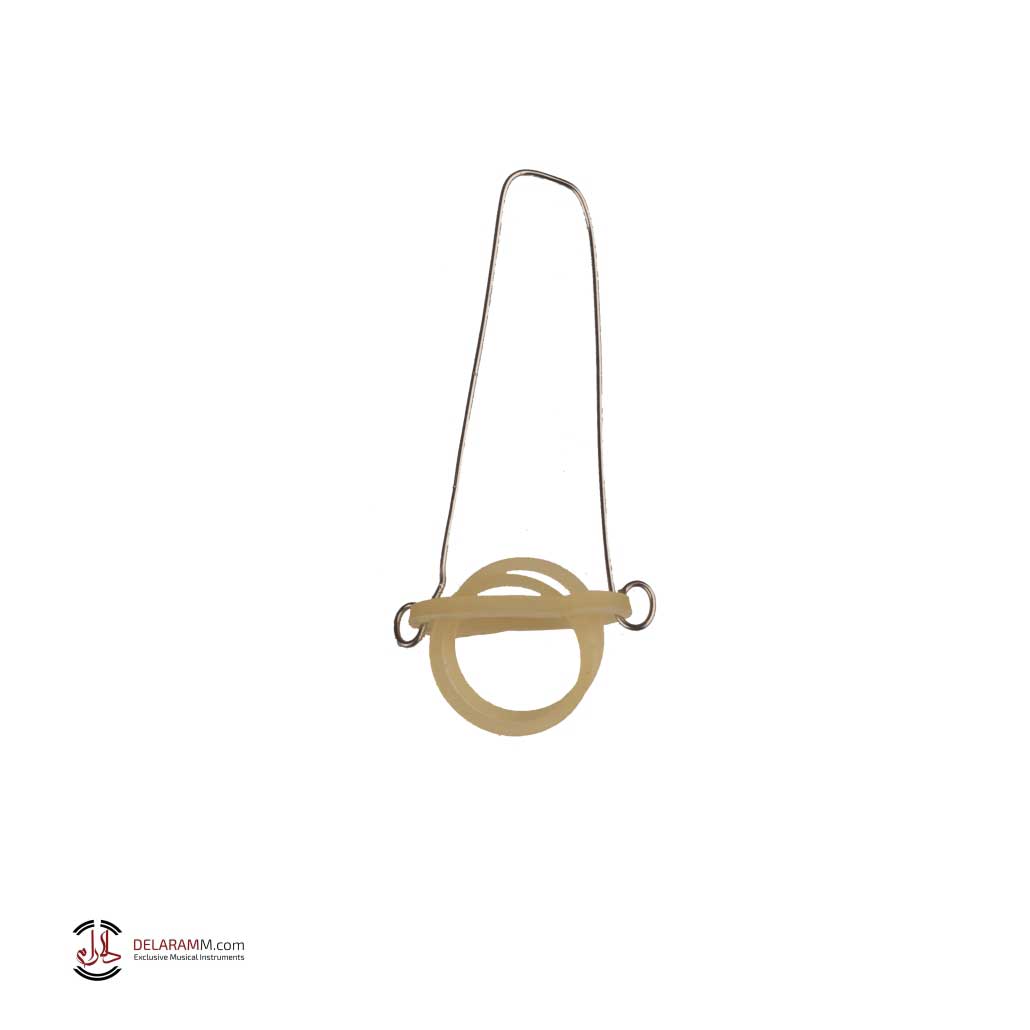
- wire Mizrab
Types of Setar Mizrabs
| Type | Material | Sound Quality | Pros | Cons |
|---|---|---|---|---|
| Metal/Wire Mizrab | Metal strap with wire loop | Clear, bright, resonant | Affordable, widely available, durable | Can slip off, less natural feel |
| Horn Mizrab | Animal horn with leather ring | Warm, close to fingernail tone | Comfortable, authentic sound | More expensive, less durable |
| Plastic Mizrab | Plastic | Milder, softer tone | Affordable, lightweight | Less commonly used, not as durable |
1. Metal or Wire Mizrabs
The metal or wire model is the most popular type of Setar Mezrab. It consists of a metal strap with a wire loop attached to either end. Using a wire Mizrab is simple. You should first slide it onto your index finger like a ring and position the wire under your nail. The Mizrab should be securely fitted to remain stable even with hand movement.
Wire Setar Mizrabs are generally affordable and widely available in music stores. However, they can sometimes lack stability and may slip off the finger. To address this issue, newer models with dual wire loops have been introduced, which help to keep the Mizrab firmly in place. Additionally, wire Mizrabs are known for producing a clearer and more resonant sound compared to other types.
- Pros:
- Produces a bright, resonant sound.
- Affordable and widely available.
- Newer models with dual-wire loops offer better stability.
- Cons:
- May slip off the finger if not properly fitted.
- Less natural feel compared to fingernails.
2. Horn Mizrabs
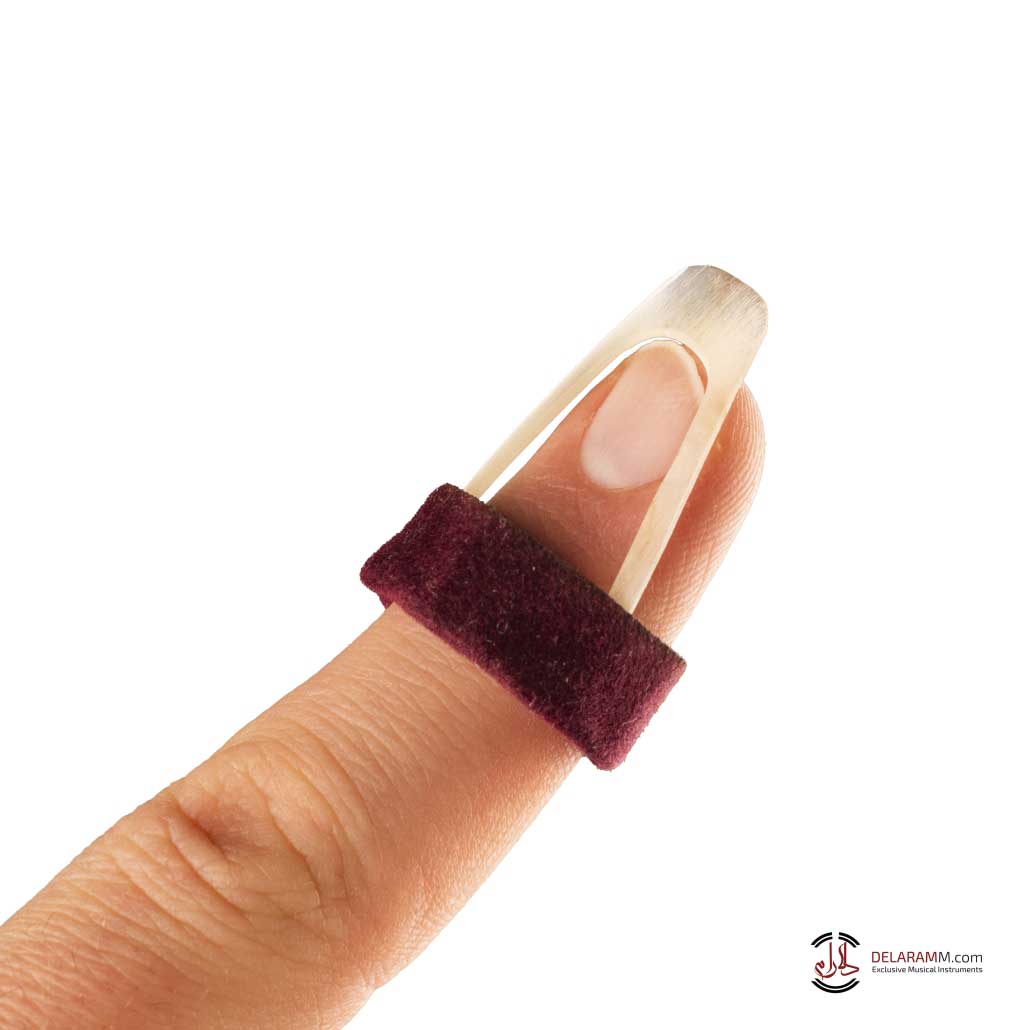
Horn Mizrabs, crafted from natural animal horn, aim to replicate the sound of fingernails while providing the durability of a plectrum.
- Pros:
- Offers a warm, organic tone similar to fingernail playing.
- Leather rings on some models enhance comfort and grip.
- Preferred by professionals seeking a natural sound.
- Cons:
- More expensive than metal or plastic Mizrabs.
- Requires careful maintenance to preserve quality.
3. Plastic Mizrabs
Plastic Mizrabs are less common but provide an affordable alternative for beginners.
- Pros:
- Inexpensive and easy to replace.
- Lightweight and comfortable for long practice sessions.
- Cons:
- Produces a less refined sound compared to horn or metal Mizrabs.
- Less durable and prone to wear over time.
3.Plastic Models
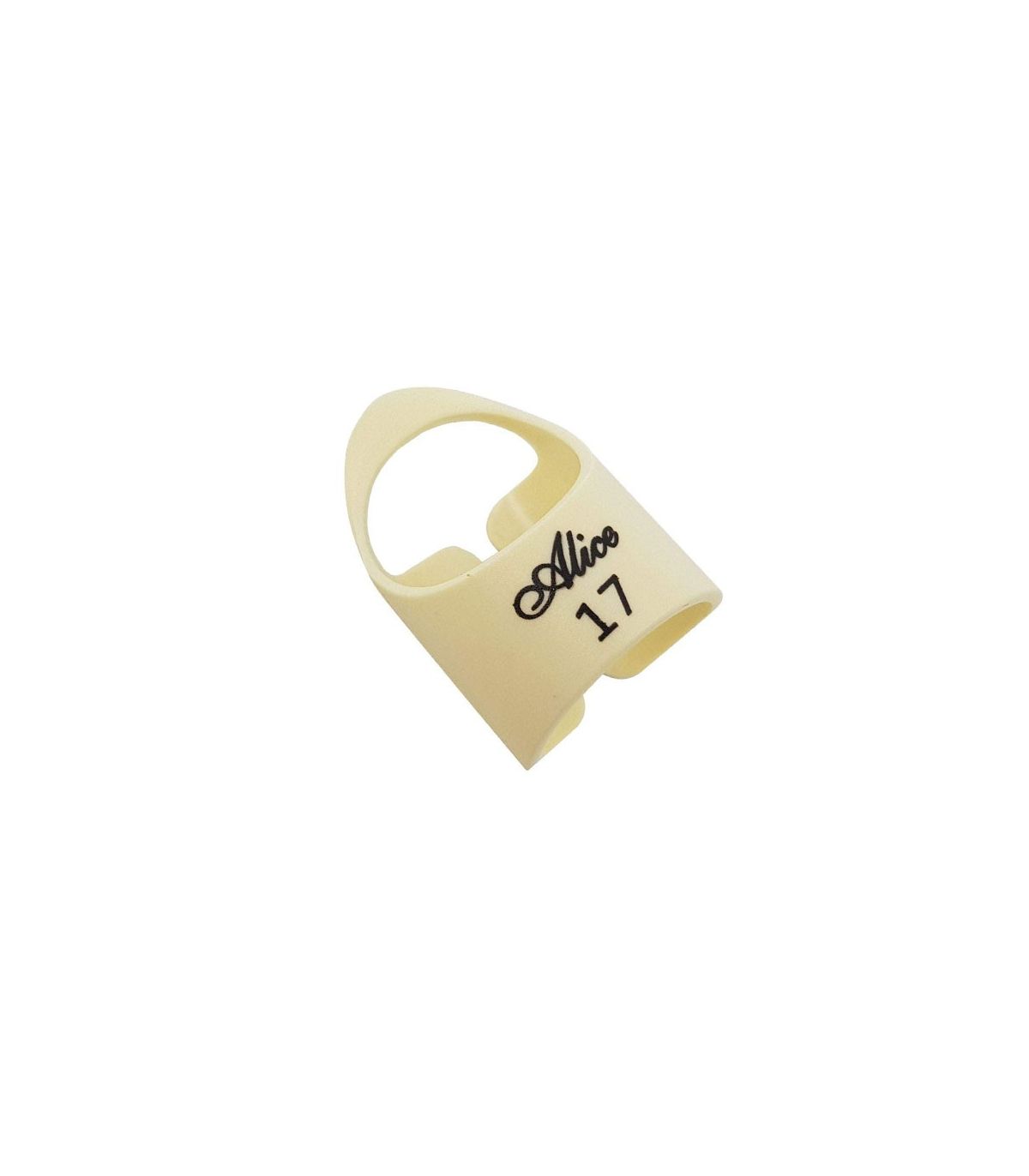
The plastic setar is a rarer subset of the overall setar family. Plastic models are less popular among students. Finger widths of 16–17 centimeters and mizrab dimensions of 20–20–30 millimeters characterize this variety. Plastic models are more affordable than shakh and wire models because they are made from more affordable materials.
Which Type of Setar Mizrab Is Right for You?
Choosing the right Setar mizrab depends on personal preference, skill level, and the desired tone. Here’s a quick guide:
| Type | Material | Sound Quality | Recommended For |
|---|---|---|---|
| Wire or Metal | Metal strip & wire | Clean, resonant | Beginners and general players |
| Shakh Mizrab | Animal horn/antler | Warm, natural | Professionals and traditionalists |
| Plastic | Plastic | Basic, functional | Budget-conscious beginners |
Ultimately, the choice comes down to what feels comfortable and works best for your style and skill level. Trying different types can help you find the perfect fit.
Fingernail vs. Mizrab: Which One is Better?
Many Setar students and players wonder whether using fingernails or a Mizrab is the better choice. The answer depends on personal preference, playing style, and desired sound.
- Fingernails: Ideal for those seeking a traditional, warm, and expressive tone. However, they require regular maintenance and care.
- Mizrabs: A practical alternative for players with fragile nails or those wanting a brighter, more defined sound. Different Mizrab materials offer various tonal characteristics, allowing for greater experimentation.
Conclusion: Choosing the Right Mizrab for Your Setar
Whether you choose to play with fingernails or a Mizrab, both techniques have unique advantages. For those seeking an authentic Persian Setar sound, fingernails remain a traditional and expressive option. However, if you prefer consistency, durability, and tonal variation, investing in a high-quality Setar Mizrab can elevate your performance.
FAQs About Setar Mezrabs
Yes, while many professional musicians prefer using their fingernails, some also use mizrabs for specific tonal qualities or convenience during extended practice sessions.
No, mizrabs come in various sizes and designs to fit different finger widths and playing styles.
Consider factors like material, comfort, and sound quality. Beginners may start with wire mizrabs, while professionals might opt for shakh mizrabs.
You can find mizrabs at music stores specializing in Persian instruments or through online retailers offering traditional instrument accessories.