
What Is a Mezrab? A Complete Guide to the Persian Instrument Pick
Introduction to the Mezrab
In the world of Persian music, even the smallest accessory can have a profound influence on musical expression. Among these essential tools, the mezrab occupies a unique position. Though modest in size, it serves as a crucial intermediary between the musician and the instrument, transforming hand movements into resonant melodies.
Whether used on a tar, setar, or santur, the mezrab contributes significantly to tone, articulation, and performance technique. Understanding this seemingly simple accessory offers deeper insight into the artistry and craftsmanship behind Persian music.
The Meaning of the Word Mezrab
The word “mezrab” originates from Persian musical terminology and generally refers to a plectrum, pick, or striking tool used to produce sound from strings. The term is associated with the act of striking or plucking strings and has been part of Persian musical vocabulary for centuries.
Although many cultures have their own versions of picks and plectrums, the Persian mezrab possesses distinctive characteristics shaped by regional traditions and instrument-specific requirements.
A Brief History of the Mezrab
The development of the mezrab parallels the evolution of Persian string instruments. Historical depictions and written records indicate that various forms of plectrums have been used throughout the Middle East and Central Asia for centuries.
Early mezrabs were often fashioned from natural materials readily available to artisans. As instrument construction advanced, so too did the design of the mezrab. Musicians continually refined its shape and flexibility to achieve greater control and tonal sophistication.
Today, traditional craftsmanship remains highly valued, even as modern manufacturing techniques introduce new possibilities.
Craftsmanship and Varieties
The Mezrab typically has a slender, elongated shape, designed to be held between the thumb and forefinger of the player’s right hand. The tip of the Mezrab is used to pluck the strings of the instrument, creating the distinctive sound that defines Persian music. Depending on the style of music and the instrument being played, Mezrabs can vary in thickness and length.
Materials Used in Mezrab Construction
| Material | Characteristics | Usage |
|---|---|---|
| Wood | Lightweight, natural feel, warmer tones | Traditional Tar and Setar performance |
| Bone | Harder, more rigid, produces sharper tones | Common in classical Persian music |
| Plastic | Durable, consistent, suitable for modern use | Often used in modern Mezrabs |
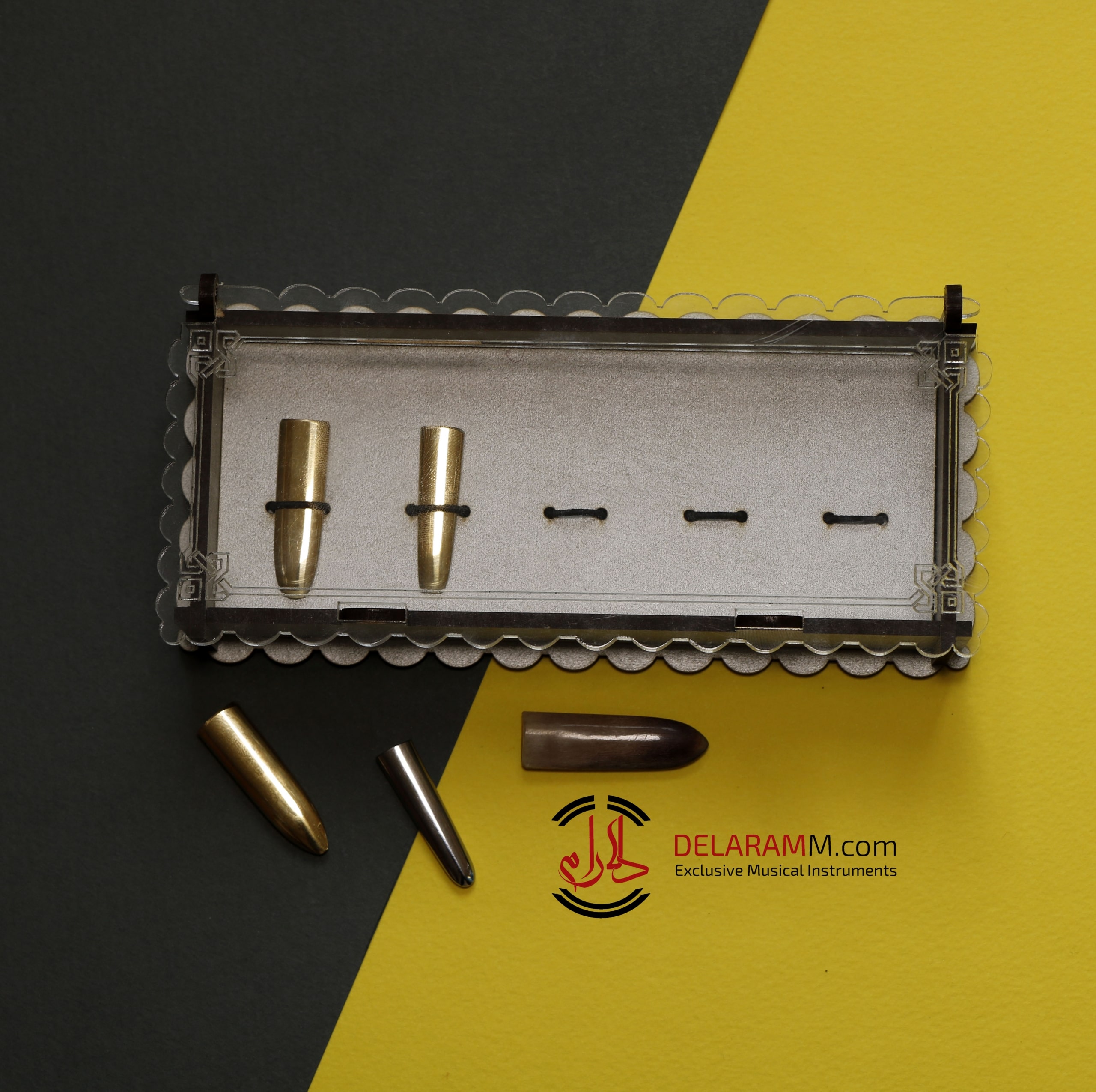
Making a mezrab is an art in itself. Traditional craftsmen meticulously design these plectrums, ensuring they are both functional and aesthetically appealing. The primary materials used include metal (often brass or steel), bone, and sometimes even wood.
There are different kinds of mezrab, each tailored to a specific instrument:
- The Tar is a traditional Persian string instrument played with a Mezrab, producing rich, dynamic tones in classical Persian music.
- The Setar, a smaller version of the Tar, is also played with a Mezrab to produce its delicate and melodic sound in Persian classical performances.
- The Rubab, an ancient Persian instrument, is occasionally played with a Mezrab, contributing to its distinct sound in classical and folk music.
- The Tambur, primarily used in Persian and Central Asian music, is played with a Mezrab, offering a deep, resonant tone in Sufi and folk traditions.
- The Santur, although usually played with mallets, can also be plucked with a Mezrab in some Persian music performances to create intricate tones.
- The Ghichak, a traditional Persian stringed instrument, is commonly played with a Mezrab, producing a high-pitched sound in folk and classical music.
- The Barbat, an ancestor of the Oud, is sometimes played with a Mezrab in Persian music, producing a rich, melodic tone.
How to Purchase a Mezrab from Delaramm.com
For enthusiasts looking to delve into the mesmerizing world of stringed instruments, possessing a high-quality mezrab is crucial. And what better place to procure this essential tool than from Delaramm.com?
Easy Navigation: Our website boasts a user-friendly interface. Simply head to the ‘Instruments & Accessories’ section, and under the sub-category of ‘Mezrab’, you’ll find an array of choices.
Detailed Product Descriptions: Each mezrab is listed with a comprehensive description. Whether you’re searching for a specific material, size, or instrument compatibility, all the information you need is at your fingertips.
Secure Payment Methods: We prioritize your security. Our payment gateways are encrypted, ensuring a safe and seamless transaction process.
Prompt Delivery: Once your order is placed, our team ensures that your mezrab reaches you in pristine condition and in the shortest time possible.
Customer Support: Should you have any queries or need guidance on your purchase, our dedicated customer service team is always ready to assist.
How a Mezrab Works
The fundamental function of a mezrab is straightforward. It transfers kinetic energy from the musician’s hand to the instrument’s strings.
However, the mechanics are surprisingly complex. The thickness, flexibility, weight, and surface texture of the mezrab all influence how the string vibrates. These variables affect volume, sustain, attack, and timbral coloration.
Small design differences can produce noticeable acoustic results.
The Role of the Mezrab in Sound Production
Sound begins with vibration. The mezrab initiates that vibration.
A rigid mezrab generally creates a sharper attack and greater projection. A more flexible design often yields smoother articulation and a gentler tonal character.
Master musicians manipulate these properties to shape musical phrases with exceptional expressiveness.
The Mezrab and the Persian Tar
The tar is one of Persia’s most celebrated string instruments. Its powerful voice and expressive capabilities rely heavily on the proper use of a mezrab.
Tar mezrabs are traditionally made from brass and often covered with wax or other materials to improve grip and comfort.
The player’s control over the mezrab directly influences articulation, rhythmic precision, and dynamic contrast.
The Mezrab and the Setar
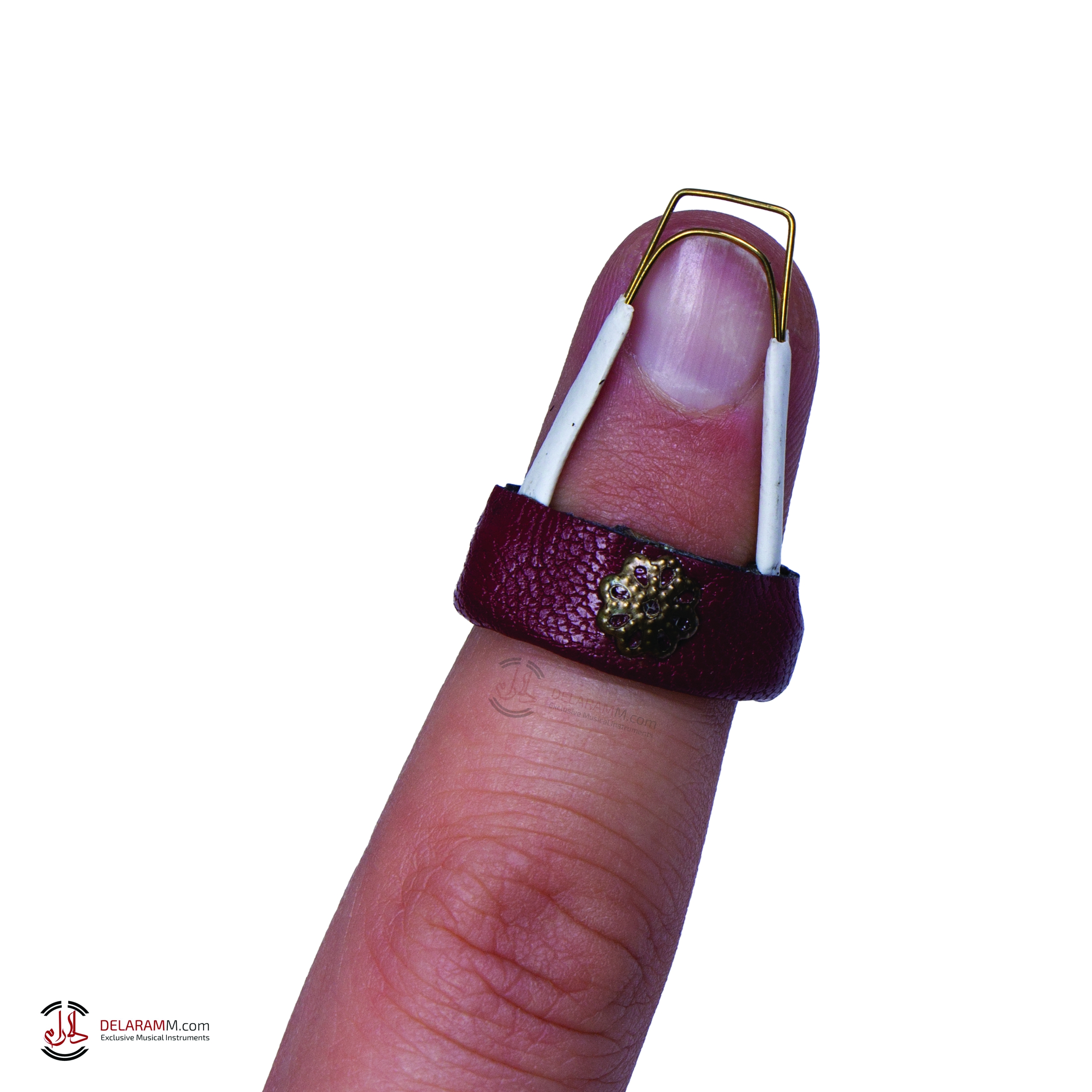
Unlike the tar, the setar is traditionally played primarily with the fingernail of the right index finger rather than a separate plectrum.
Nevertheless, discussions of mezrab techniques frequently reference the setar because the term also relates to patterns of plucking and rhythmic execution. In Persian music pedagogy, the concept extends beyond the physical object itself.
The Mezrab and the Santur
The santur employs a distinctive type of mezrab known as a mallet or hammer. A performer holds one in each hand and strikes the strings to produce sound.
These lightweight wooden sticks enable extraordinary speed and precision. Their design plays a critical role in shaping the santur’s shimmering and crystalline voice.
Different Types of Mezrabs
Mezrabs vary considerably depending on their intended application.
Common variations include:
- Brass mezrabs
- Wooden mezrabs
- Plastic mezrabs
- Horn mezrabs
- Santur mallets
- Custom handmade designs
Each offers unique tactile and acoustic qualities.
How Mezrab Design Affects Tone
Tone is influenced by numerous factors.
Thickness
Thicker mezrabs generally produce stronger attacks and increased volume.
Flexibility
Flexible designs create smoother transitions and softer articulation.
Weight
Heavier mezrabs often enhance projection and sustain.
Shape
The contour of the striking surface affects precision and tonal clarity.
Musicians frequently experiment with multiple designs before settling on a preferred option.
Choosing the Right Mezrab
Selecting a mezrab depends on several considerations:
- Instrument type
- Playing style
- Experience level
- Desired tone
- Personal comfort
Beginners often benefit from medium-weight options that provide a balance of control and forgiveness.
Experienced performers may seek specialized designs optimized for particular repertoire.
Holding a Mezrab Correctly
Proper grip is essential.
A mezrab should feel secure without excessive tension. Overgripping can restrict movement and reduce fluidity. Conversely, a loose grip may compromise accuracy.
Balanced hand positioning encourages efficient technique and minimizes fatigue during extended practice sessions.
Basic Mezrab Techniques
Fundamental techniques form the basis of all advanced performance.
These include:
- Downstrokes
- Upstrokes
- Alternating strokes
- Controlled articulation
- Basic rhythmic patterns
Developing consistency in these areas is crucial for long-term progress.
Advanced Mezrab Techniques
Advanced performers employ sophisticated methods to enhance musical expression.
Examples include:
- Rapid tremolo passages
- Complex rhythmic subdivisions
- Dynamic accentuation
- Ornamentation patterns
- High-speed alternate picking
These techniques demand precision, coordination, and extensive practice.
Common Mistakes Beginners Make
New players often encounter similar challenges.
Common issues include:
- Excessive grip pressure
- Inconsistent stroke angles
- Poor hand positioning
- Neglecting rhythm practice
- Using an unsuitable mezrab
Addressing these problems early can accelerate improvement considerably.
Caring for a Mezrab
Despite its durability, a mezrab benefits from proper maintenance.
Store it in a protective case when not in use. Keep it away from excessive heat and moisture. Inspect it regularly for wear or deformation.
Simple preventive care can extend its lifespan significantly.
Handmade vs. Factory-Made Mezrabs
Both handmade and factory-produced mezrabs offer advantages.
Handmade versions often feature exceptional craftsmanship and customization. Factory-made alternatives provide consistency, affordability, and easy availability.
The best choice ultimately depends on individual priorities and performance requirements.
The Cultural Significance of the Mezrab
The mezrab represents more than a practical accessory. It embodies centuries of musical tradition, craftsmanship, and artistic heritage.
Persian music places great importance on preserving historical techniques while embracing creative innovation. The mezrab serves as a tangible link between past and present, connecting contemporary musicians with generations of performers who came before the
Conclusion
The mezrab may appear deceptively simple, yet its influence on Persian music is immense. From shaping tone and articulation to enabling virtuosic performance techniques, this small accessory plays a pivotal role in the musical experience. Understanding its history, materials, design variations, and practical applications offers valuable insight into the rich traditions of Persian instrumental music. Whether you are a curious listener, a student, or a seasoned performer, gaining familiarity with the mezrab opens the door to a deeper appreciation of one of Persia’s most enduring musical tools
Frequently Asked Questions About Mezrabs
A mezrab is a pick, plectrum, or striking tool used to play certain Persian string instruments.
The tar is perhaps the instrument most closely associated with the traditional brass mezrab.
No. Mezrabs can be made from metal, wood, horn, plastic, and other materials.
Yes. Material, thickness, flexibility, and shape all influence tone and articulation.
Yes, although many beginners prefer more forgiving designs while developing technique.