
Gheychak Instrument: History and Origin Explained
Introduction
Gheychak is one of the traditional string instruments of Iran, which holds a special place in Iranian traditional and folk music. Due to its unique sound and specific structure, this instrument has always been of interest to musicians and enthusiasts of Iranian music. In this article, we delve into the specialized examination of the history, structure, playing techniques, and role of Gheychak in Iranian music.
Origin and History of the Ghaychak
The exact origin of the ghaychak is not fully documented, but scholars place it within the broader Persianate musical tradition.
Historical Timeline
- Sassanid era (3rd–7th century CE): Possible early bowed lute ancestors
- Medieval period: Development of spike-fiddle traditions across Iran and Central Asia
- 15th–19th century: Strong presence in Baloch and eastern Iranian folk music
- 20th century: Standardization in Iran and inclusion in formal music education
Key Insight
There is no definitive archaeological proof of the original ghaychak, but it is strongly linked to ancient regional bowed instruments.
Etymology of the Word “Ghaychak”
The word ghaychak is believed to be of Turkic origin, loosely associated with meanings like “crying sound” or “lamenting voice,” reflecting its expressive tone.
Related names:
Saroz / Sarod (Balochi regions)
Ghijak (Central Asia)
Ghichak (Afghanistan)
The structure of Gheychak
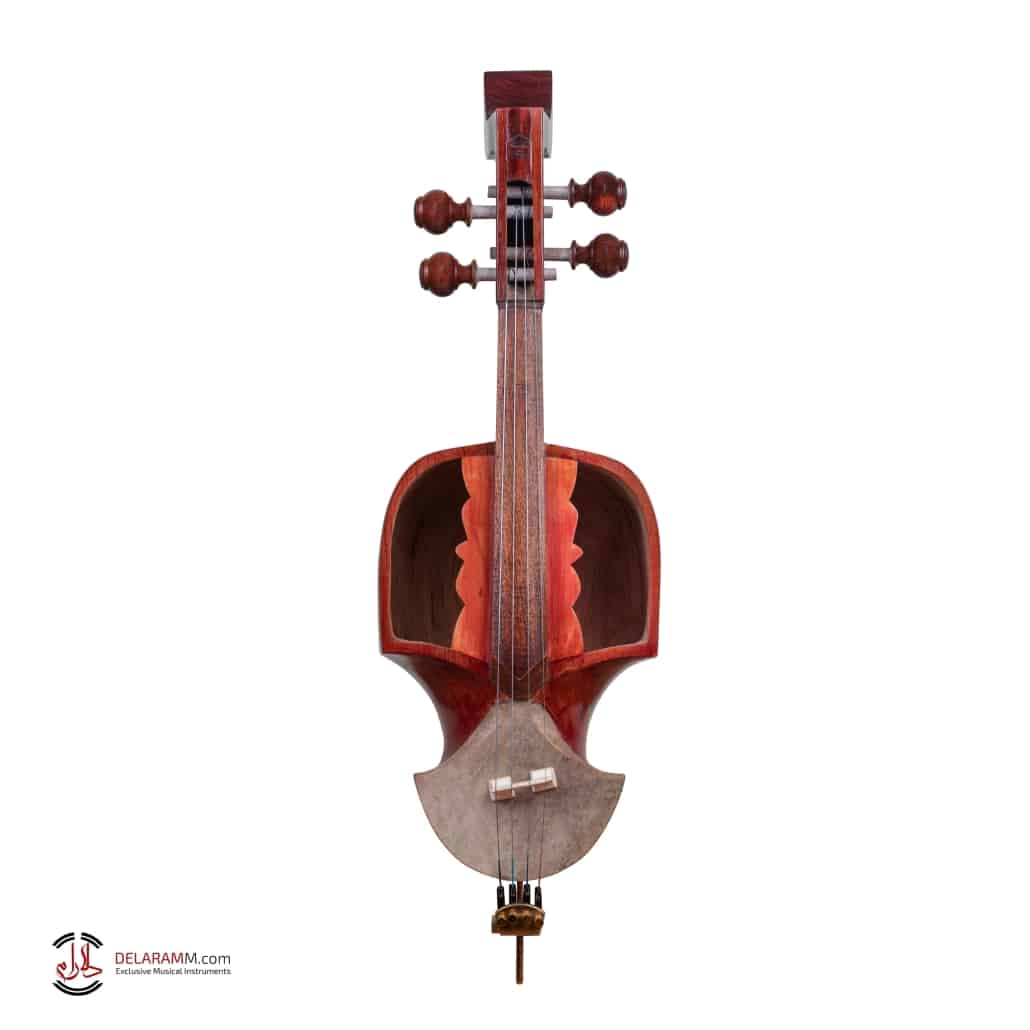
Gheychak is a string and bow instrument consisting of four main parts: the bowl, the neck, the strings, and the bow. Each of these parts plays an important role in producing the unique sound of this instrument, which we will become more familiar with in the following:
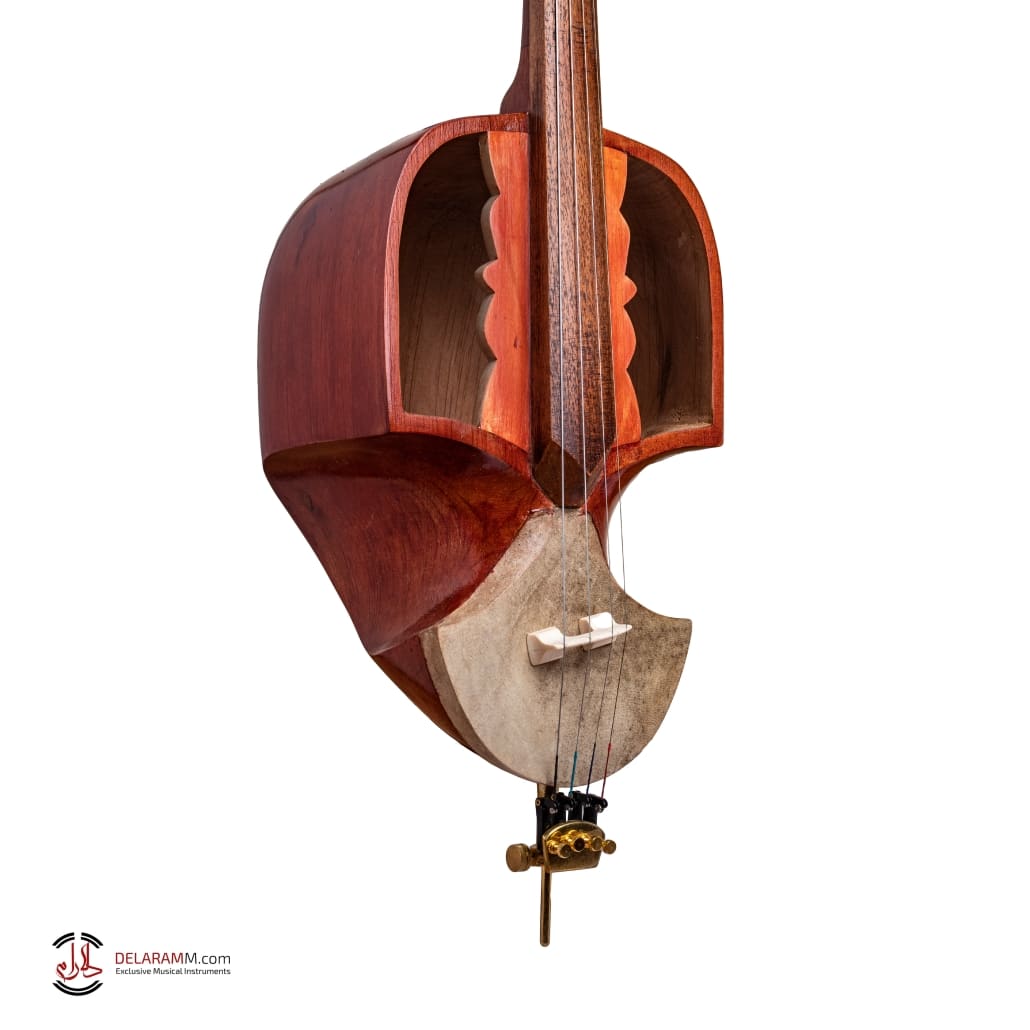
- Bowl: The bowl of Gheychak is hemispherical and is made of high-quality woods such as mulberry or walnut. The bowl of this instrument is divided into upper and lower parts, with the upper part being larger and the lower part smaller. The surface of the bowl is covered with animal skin, especially goat or sheepskin, to improve the produced sound.
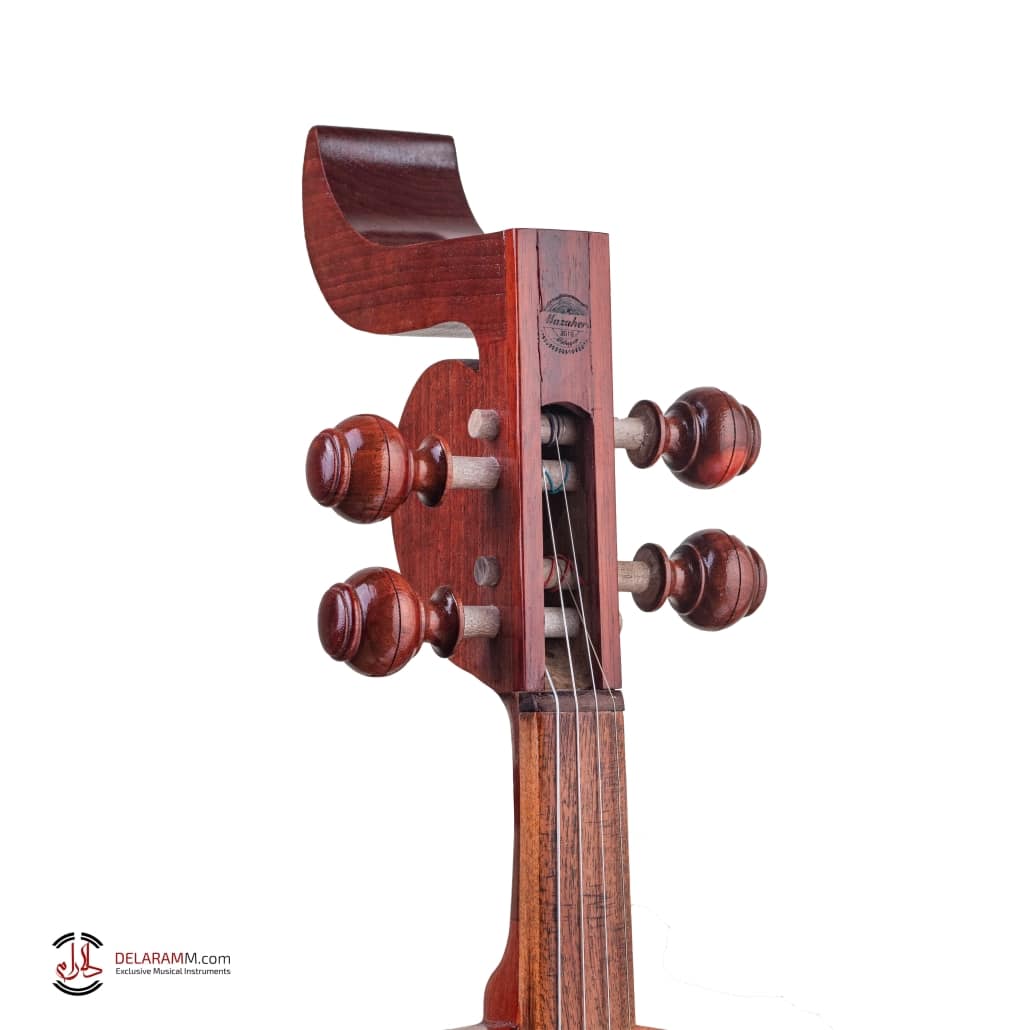
- Neck: The neck of this instrument is made of sturdy and lightweight woods such as walnut or elderberry. This neck has frets that determine the musical intervals. The length of the neck is usually between 30 to 40 centimeters and fits comfortably in the player’s hand.
- Strings: This instrument has four strings made of metal or animal gut. These strings are adjusted in thickness and length to produce different sound tones. The strings of this instrument are divided into two main categories: main strings and substrings. Main strings are used for playing primary notes, while sub-strings are used to produce lower tones and more complex melodies.
- Bow: The bow of this instrument is made of wood and horsehair. This bow is designed to be easily drawn over the strings and produce a pleasant sound. There are various techniques for playing with the bow, each of which has a specific effect on the produced sound.
Regional Variants of the Ghaychak
Iran (Balochistan & Southeast)
Known as saroz
- Most traditional form
- Used in weddings and folk rituals
- Often includes sympathetic strings
Afghanistan
Known as ghichak / ghijak
- Sometimes made with metal or tin body
- 2–4 strings
- Common in northern folk music
Pakistan (Baloch regions)
Known as saroz / sooroz
- Similar to Iranian version
- Used in tribal and ceremonial music
Central Asia (Uzbek, Uyghur, Tajik regions)
Known as ghijak
- Smaller spike fiddle
- Often 3–4 strings
- Used in maqam-based music traditions
Relationship to Other Instruments
The ghaychak belongs to a broader family of bowed instruments:
Closely Related
- Kamancheh (Iran/Azerbaijan): round-bodied classical bowed lute
- Sarinda (South Asia): multi-chamber bowed lute
- Sarangi (India/Nepal): complex bowed instrument with skin body
Central Asian Relatives
- Ghijak (Uzbek/Uyghur traditions)
- Afghan ghichak
Key Difference
The ghaychak is unique due to its double-chamber carved wooden body, unlike most related instruments.
How to play Gheychak
Playing Gheychak requires a lot of practice and skill. The player must be able to simultaneously use both hands to play this instrument; one hand for pressing the strings on the neck and the other hand for moving the bow over the strings.
How to hold Gheychak
This instrument is held vertically in the player’s hand, with its bowl resting on the player’s thigh and its neck tilted upwards. This position allows the player to easily press the strings with the left hand and move the bow with the right hand.
String Pressing Technique
The left hand of the player is responsible for pressing the strings on the neck to produce different notes. Each fret on the neck represents a specific note, and by changing the position of the hand on the neck, the player can play different notes.
Bow Movement Technique
The right hand of the player moves the bow horizontally over the strings. By changing the speed and pressure of the bow on the strings, the player can produce different tones and dynamics of sound. Various techniques such as fast or slow bowing, bowing with high or low pressure, and using vibrato assist the player in creating a unique and distinctive sound from this amazing instrument.
Types of Gheychak
Each type of Gheychak, based on its sound and structural characteristics, is used in different styles of music and for specific purposes. This diversity allows players to choose the appropriate instrument based on their needs and musical style. Here are some introductions to various types of this traditional instrument:
- Traditional Gheychak: This type of instrument is usually made of mulberry tree wood and comes in various sizes. It is mostly used in traditional and local Iranian music. This instrument has a unique and distinctive sound, and its strings are made of animal gut.
- Soprano Gheychak: This model is smaller in size and produces a lower sound. It is usually used for playing beautiful and detailed melodies, and its strings are made of metal.
- Alto Gheychak: This type of Gheychak has a medium size and produces a mid-range sound. It is suitable for playing musical pieces that require a mid-range sound.
- Bass Gheychak: This is the largest type of Gheychak and produces a deep and booming sound. This model is used in musical pieces that require a bass sound.
- Open-Back Gheychak: In this type of Gheychak, the back of the instrument’s bowl is open, which creates a unique and different sound. This instrument is usually used in specific regions of Iran and for playing special local music.
- Closed-Back Gheychak: In this model, the bowl of the instrument is completely closed, producing a different and more focused sound. This type of instrument is used in many parts of Iran and in traditional music.
Famous Gheychak players
The history of Persian music is replete with the names of great masters who have excelled in playing the Gheychak. Master Din Mohammad Zangshahi is one of the most celebrated Gheychak players in Iran. This Baluch musician has had a profound impact on traditional Persian music with his unique style and unparalleled techniques. Hossein Farhadpour is another renowned Gheychak player who, in addition to introducing and performing on the Alto Gheychak, has created masterpieces in both traditional and classical Persian music. He is also recognized as the first Kamancheh player to have traveled and performed in European and Asian countries. Given the significance and beauty of the Gheychak’s sound, teaching and promoting this instrument among the younger generations can significantly contribute to the preservation and development of Iranian culture and art.