
Flute Family: A Complete Guide to the Different Types of Flutes
What Is the Flute Family?

The flute family encompasses a diverse collection of woodwind instruments that produce sound through the vibration of air across an opening. Unlike reed instruments, flutes create tone without the use of a vibrating reed. Instead, the player directs a focused stream of air against an embouchure hole, generating sound waves within the instrument’s body.
Although commonly associated with the silver concert flute found in orchestras, the flute family extends far beyond this familiar instrument. It includes members ranging from the tiny piccolo to the enormous contrabass flute, as well as numerous traditional flutes from cultures around the world.
The History and Evolution of Flutes
The flute is one of humanity’s oldest musical instruments. Archaeological discoveries suggest that primitive flutes existed more than 40,000 years ago. Early examples were crafted from bird bones, animal bones, and hollow reeds.
As civilizations advanced, flute designs became increasingly sophisticated. Ancient Egypt, Greece, China, India, and indigenous cultures across the Americas all developed unique flute traditions. These instruments evolved independently, reflecting local musical aesthetics and available materials.
Modern concert flutes emerged during the nineteenth century, largely due to innovations in key mechanisms and acoustical engineering. These developments transformed the flute into one of the most versatile instruments in classical music.
How Flutes Produce Sound
Flutes operate according to a relatively simple yet fascinating acoustic principle.
When air is directed across the embouchure opening, it splits against the edge of the hole. This interaction causes the air column inside the instrument to vibrate. The resulting oscillations create sound.
Pitch changes occur when the effective length of the vibrating air column is altered. Opening and closing tone holes changes the resonance characteristics, allowing the player to produce different notes.
Despite this straightforward mechanism, achieving a beautiful flute tone requires exceptional breath control and precision.
The Role of Flutes in Modern Music
Flutes appear in an astonishing variety of musical settings. They are prominent in symphony orchestras, chamber ensembles, jazz groups, film scores, folk traditions, and world music performances.
Composers often use flutes to evoke elegance, tranquility, mystery, or pastoral beauty. Their ability to execute rapid passages while maintaining lyrical expressiveness makes them uniquely versatile.
Modern recording technology has expanded their use even further, allowing flutes to appear in genres ranging from ambient music to progressive rock.
Classification of Flutes
Flutes can be classified according to size, pitch, construction material, and cultural origin.
Within the Western orchestral tradition, flute family members are organized primarily by range. Smaller instruments produce higher pitches, while larger instruments generate deeper and more resonant tones.
This systematic arrangement creates a complete tonal spectrum comparable to the vocal ranges found in a choir.
Concert Flute
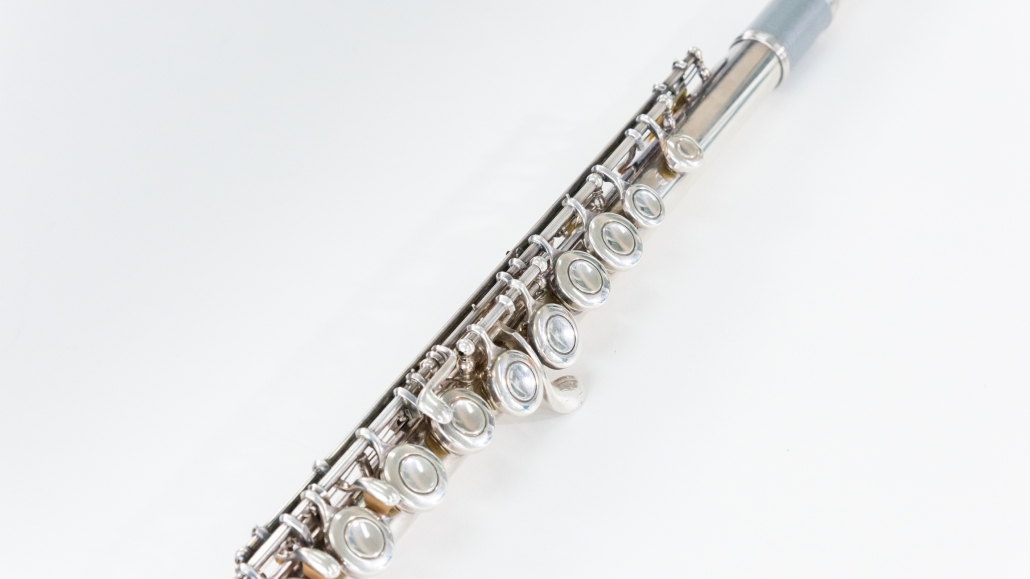
The concert flute serves as the standard member of the flute family. Tuned in C, it possesses a bright, flexible voice capable of remarkable expressive nuance.
Its range typically extends over three octaves, allowing performers to navigate delicate melodies and virtuosic passages with equal ease.
The concert flute remains the most widely studied and performed flute worldwide.
Piccolo
The piccolo is the smallest and highest-pitched member of the orchestral flute family.
Despite its diminutive size, it produces extraordinary brilliance and projection. Its penetrating sound can easily soar above a full orchestra.
Because of its intense upper register, the piccolo often adds excitement and dramatic emphasis to orchestral climaxes.
Alto Flute
The alto flute occupies a lower register than the standard concert flute.
Characterized by its curved headjoint and larger dimensions, the instrument produces a rich, velvety timbre that many listeners find captivating.
Composers frequently employ the alto flute to create atmospheric textures and warm melodic lines.
Bass Flute
The bass flute extends the flute family’s range into darker sonic territory.
Its larger tube and extended length generate a mellow, resonant tone that differs significantly from the brightness of smaller flutes.
The bass flute is particularly valued in flute choirs and contemporary music ensembles.
Contrabass Flute
The contrabass flute is an imposing instrument capable of producing remarkably low pitches.
Its expansive tubing and complex construction create a sound that resembles a blend of flute resonance and organ-like depth.
Though relatively rare, it contributes a powerful foundation in specialized flute ensembles.
Subcontrabass and Hyperbass Flutes
Among the most extraordinary instruments ever created are the subcontrabass and hyperbass flutes.
These colossal instruments can exceed several meters in length. Their deepest notes descend into frequencies that challenge the limits of human hearing.
While uncommon, they demonstrate the remarkable versatility of flute acoustics.
Wooden Flutes vs Metal Flutes
Material selection significantly influences tonal character.
Wooden flutes often produce warm, earthy sounds rich in subtle overtones. Metal flutes typically offer greater projection, brightness, and consistency.
Neither material is inherently superior. Each possesses unique musical qualities that appeal to different performers and genres.
Western Concert Flutes
Western concert flutes represent the culmination of centuries of acoustic refinement.
Featuring sophisticated key systems and precision manufacturing, these instruments enable performers to execute complex repertoire with exceptional technical accuracy.
They remain the dominant flute design in orchestral and educational settings.
Native American Flutes
Native American flutes possess a deeply spiritual heritage.
Traditionally crafted from wood, these instruments feature a distinctive chamber design that produces a hauntingly beautiful tone. Their sound is often associated with storytelling, meditation, and personal expression.
Bamboo Flutes Around the World
Bamboo has served as a preferred flute material for countless cultures.
Its natural resonance, availability, and ease of shaping have led to the development of numerous bamboo flute traditions across Asia, Africa, and South America.
Each tradition reflects unique cultural values and musical aesthetics.
The Irish Flute
The Irish flute is central to traditional Celtic music.
Usually made from wood, it delivers a warm and expressive sound ideal for reels, jigs, and airs. Its tonal flexibility contributes significantly to the emotional depth of Irish folk music.
The Chinese Dizi
The dizi is one of China’s most celebrated instruments.
A special vibrating membrane gives the dizi its distinctive bright and buzzing timbre. This characteristic sound has made it an essential voice in Chinese traditional and contemporary music.
The Indian Bansuri
The bansuri occupies a revered position within Indian classical music.
Made from bamboo, it is capable of extraordinary expressive subtlety. Skilled players use intricate breath control and ornamentation techniques to produce deeply emotional performances.
The Japanese Shakuhachi
The shakuhachi is renowned for its meditative qualities.
Its breathy, introspective tone has long been associated with Zen Buddhist practice. Today, it remains an important instrument in both traditional and experimental music.
The Pan Flute
Unlike other flutes, the pan flute consists of multiple tubes arranged in ascending order of pitch.
Each tube produces a single note, creating a distinctive and instantly recognizable sound. Pan flutes are particularly associated with Andean and Eastern European musical traditions.
Frequently Asked Questions About Flutes
Which flute is best for beginners?
The concert flute is generally considered the best starting point due to its widespread availability, educational resources, and versatility.
What is the highest-pitched flute?
The piccolo is the highest-pitched standard member of the orchestral flute family.
What is the lowest flute?
The hyperbass flute is currently the lowest-pitched flute ever developed.
Are flutes difficult to learn?
Flutes are accessible to beginners, but developing tone quality, breath control, and technical fluency requires dedication and regular practice.
Can wooden and metal flutes sound different?
Yes. Wooden flutes often produce warmer, more organic tones, while metal flutes tend to offer greater brilliance and projection.